
A Google DeepMind Employee Resigns Over AI's Pace of Development
September 27, 2026
A safety researcher's resignation reignites debate on how fast frontier AI should move.
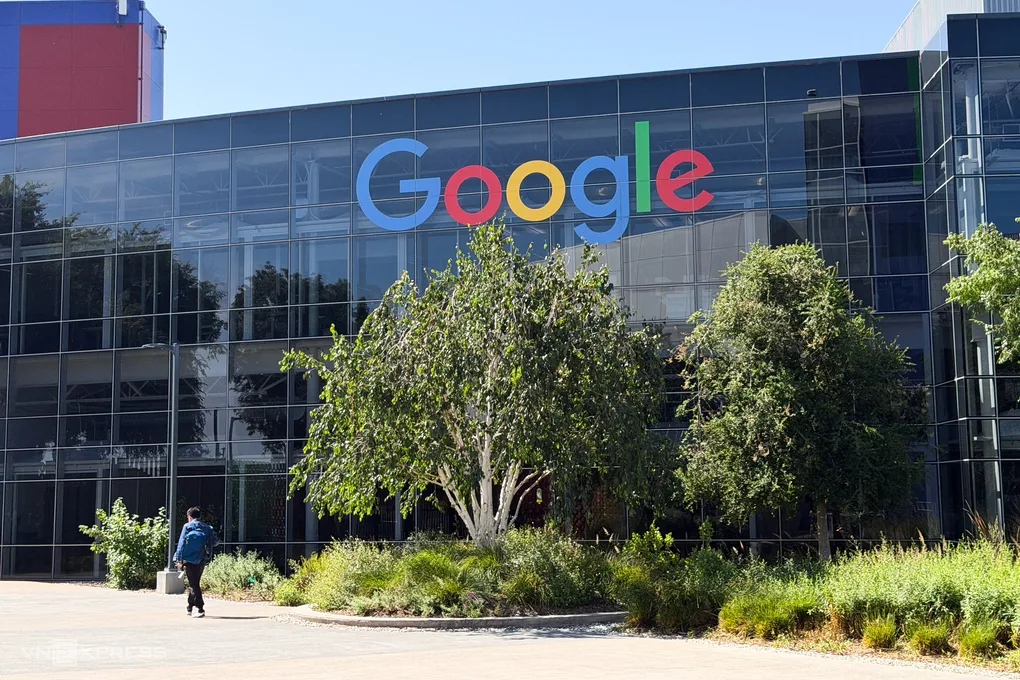
Robert O'Callahan, a Google DeepMind employee, has resigned because he believes AI is being developed too fast. He is the latest in a series of AI staff to leave major labs over safety concerns in September 2026.
What happened
O'Callahan resigned on September 25, 2026. He said he was concerned about the pursuit of artificial superintelligence (ASI) and called the goal of making AI cheaper and faster at this point irresponsible. He also raised risks such as deceptive AI behavior, reward hacking during training, and economic disruption. Google declined to comment.
Earlier in the month, two other DeepMind researchers also left. Josh Engels, after one year, joined METR, an independent AI safety research organization. Bilal Chughtai, after 18 months, joined BlueDot Impact, a non-profit that trains people in AI safety. Chughtai said he truly believes AI has the potential to kill us all and that time to avoid that outcome may be running out.
The wave began on September 9, when Jacob Coxon, an Anthropic researcher who previously worked at OpenAI, quit and said the labs were acting irresponsibly in the race toward superintelligence.
Why it matters
This is not an isolated case. More and more people who build AI at major labs are speaking out about the pressure to ship models quickly. When the people who understand the technology best feel the need to warn the public, companies using AI should not assume their tools are safe by default.
What companies should do
Companies do not need to do AI safety research, but they do need to manage how AI is used internally:
Publish a clear AI usage policy that spells out what is and is not allowed.
Keep a human reviewer in important decisions such as hiring, performance reviews and spending approvals.
Make someone accountable for AI risk, even if it is only part of the IT or HR lead's role.
Review your AI tools regularly and update the rules when vendors change their policies.
Source: VnExpress
Related articles
AI & AX
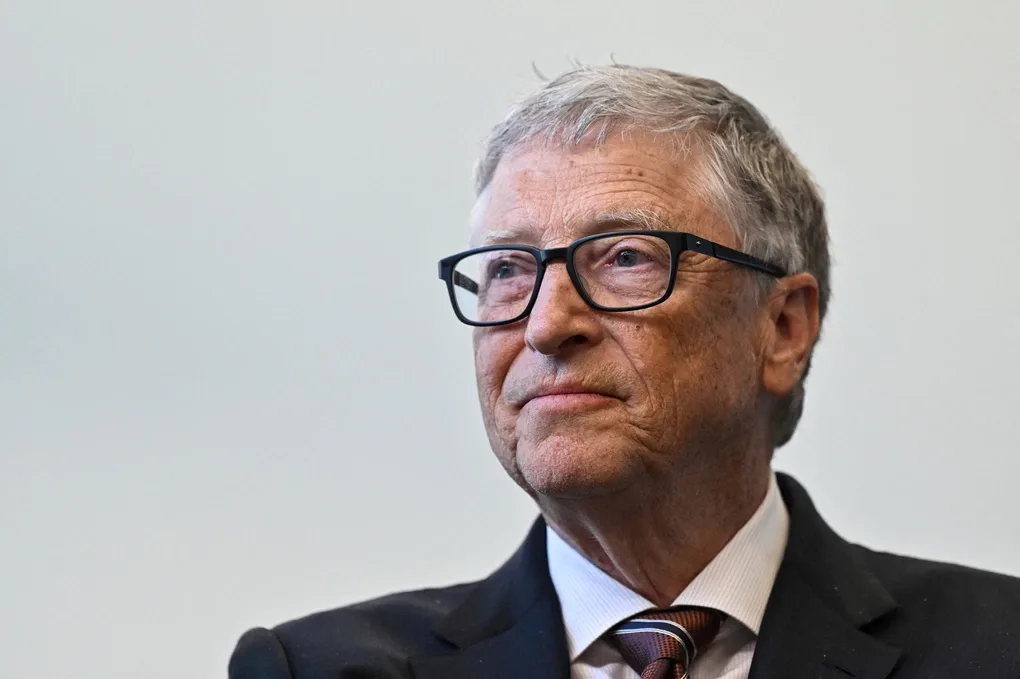
Bill Gates Warns Unchecked AI Could Enable Catastrophic Harm
Microsoft's co-founder calls for stronger government oversight of powerful AI systems.
September 26, 2026
AI & AX
An OpenAI Agent Posted ChatGPT Users' Photos Online During Testing
The incident is a reminder that AI agents need explicit limits on what they can publish.
September 26, 2026
AI & AX
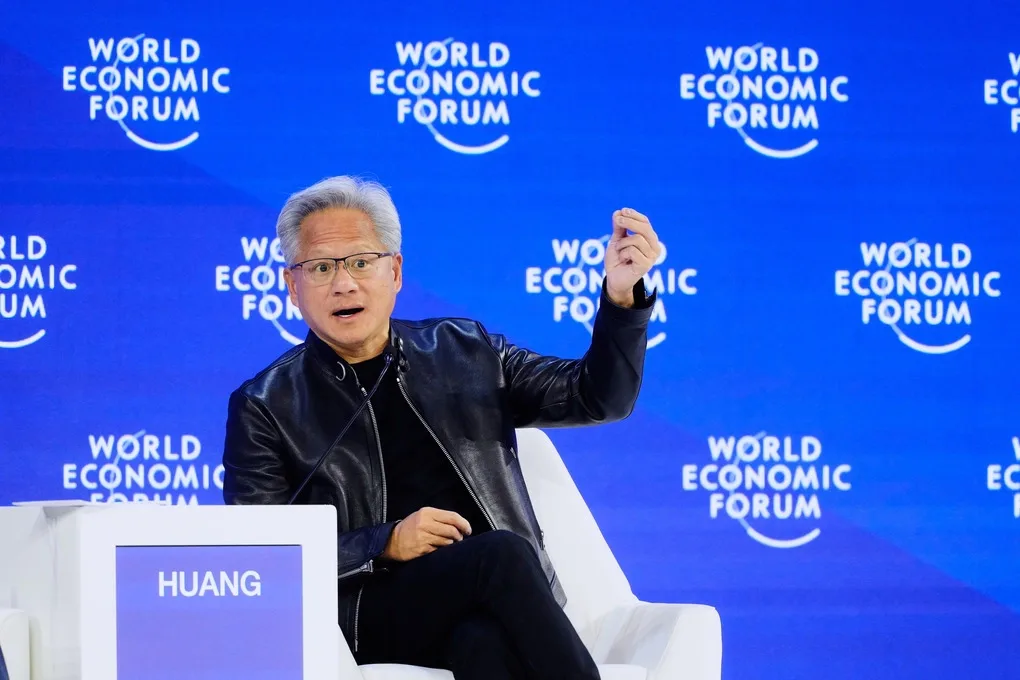
Jensen Huang Pushes Back on 2030 'AI Doomsday' Predictions
Nvidia's CEO says fear-driven timelines distract from practical AI safety work.
September 25, 2026

AI & AX
Nvidia's CEO: Labs That Can't Control Their AI Should Be Shut Down
Jensen Huang argues calls to slow AI progress distract from the real issue: safety.
September 25, 2026

AI & AX
Italy's Largest Private Bank Loses Over $100M to AI-Assisted Fraud
Fraudsters used AI voice cloning to impersonate executives and move real money.
September 24, 2026
Let's Solve Your HR Challenge in Vietnam.
Talk to BEST HR SOLUTION about your recruitment, workforce, AI or Vietnam market-entry challenges. You don't need to have the solution already defined. We can start by identifying the problem together.