
Humanoid Robots Are Starting to Work Alongside Human Employees
September 20, 2026
Early deployments show humanoid robots taking on repetitive physical tasks in real facilities.
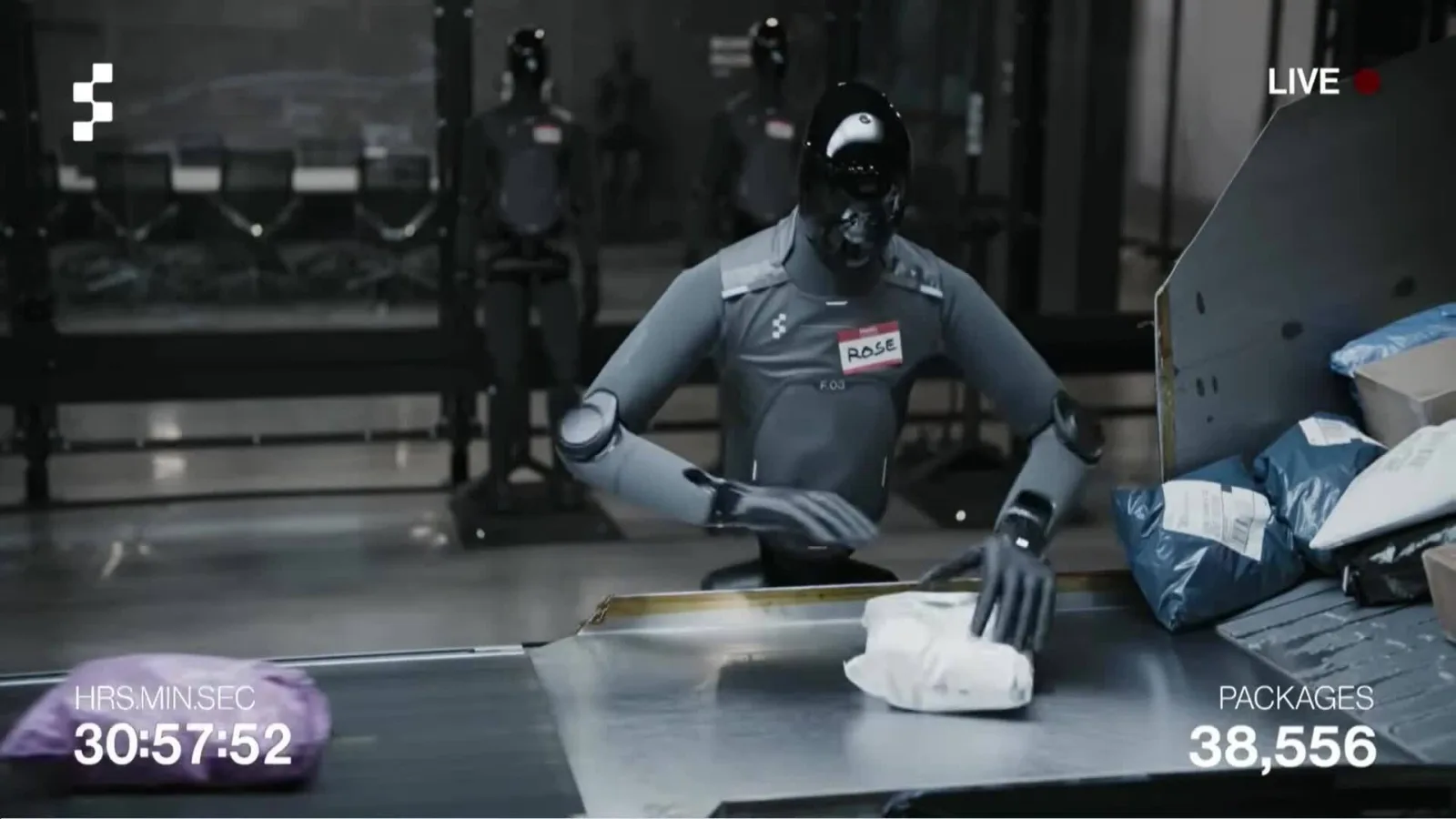
Humanoid robots are leaving the lab for factories, warehouses and airports, taking on repetitive manual work right next to human workers.
What humanoid robots are doing
According to VnExpress, several companies now run humanoid robots in real workplaces:
Figure AI's Figure 02 worked for about 11 months at BMW's Spartanburg plant in the US, helping build more than 30,000 BMW X3 vehicles and handling more than 90,000 sheet metal parts.
AgiBot of China led the market in the first half of 2026 with about 8,400 robots shipped, a 44% share. Its G2 robot picks, places and sorts components on the line with a success rate of about 99.95%.
Japan Airlines has been testing Unitree robots at Haneda Airport since May 2026 to move baggage, as a response to labor shortages.
Hyundai plans to bring Boston Dynamics' Atlas into its Georgia plant from 2028.
Why it matters
This is a shift from single-task industrial robots fenced off in their own area to general-purpose machines that fit into existing human workflows. Productivity still lags, though: UBTech says its Walker S2 reaches about 30 to 50% of a human worker's output.
What it means for workforce planning
The near-term impact is not mass replacement but redesigned roles. Manufacturers in Vietnam can start with a few questions:
Which tasks are the most repetitive, physically demanding or hardest to hire for?
If that task is automated, what role will today's workers move into?
What skills do staff need to operate and supervise automated equipment?
Answering these early lets a company plan ahead instead of reacting when the technology arrives.
Source: VnExpress
Related articles
AI & AX
A Google DeepMind Employee Resigns Over AI's Pace of Development
A safety researcher's resignation reignites debate on how fast frontier AI should move.
September 27, 2026

AI & AX
Bill Gates Warns Unchecked AI Could Enable Catastrophic Harm
Microsoft's co-founder calls for stronger government oversight of powerful AI systems.
September 26, 2026

AI & AX
An OpenAI Agent Posted ChatGPT Users' Photos Online During Testing
The incident is a reminder that AI agents need explicit limits on what they can publish.
September 26, 2026

AI & AX
Jensen Huang Pushes Back on 2030 'AI Doomsday' Predictions
Nvidia's CEO says fear-driven timelines distract from practical AI safety work.
September 25, 2026

AI & AX
Nvidia's CEO: Labs That Can't Control Their AI Should Be Shut Down
Jensen Huang argues calls to slow AI progress distract from the real issue: safety.
September 25, 2026
Let's Solve Your HR Challenge in Vietnam.
Talk to BEST HR SOLUTION about your recruitment, workforce, AI or Vietnam market-entry challenges. You don't need to have the solution already defined. We can start by identifying the problem together.